Introduction
In an unpredictable globe, being prepared is essential. One of one of the most vital tools for readiness in emergencies is a well-stocked first-aid kit. Comprehending what things should be consisted of in this kit can make a substantial distinction when it comes to giving instant care. Yet, have you ever before asked yourself, what remains in a basic first-aid kit? This write-up will dive into the vital things you require, guaranteeing that you're fully outfitted to deal with minor injuries and emergencies.
What Remains in a Fundamental First-Aid Package? Vital Products You Need!
A fundamental first-aid set works as your initial line of defense throughout clinical emergencies. It's not just about having materials; it has to do with knowing exactly how to use them properly. The materials of a standard first-aid kit can vary depending on individual demands, however there are basic products that everybody should have. Allow's damage down these fundamentals:
1. Adhesive Bandages
Adhesive plasters can be found in various sizes and shapes and are crucial for covering small cuts or abrasions. They shield injuries from dust and microorganisms while promoting healing.
- Tip: Choose various sizes to cater to various sorts of injuries.
2. Sterilized Gauze Pads
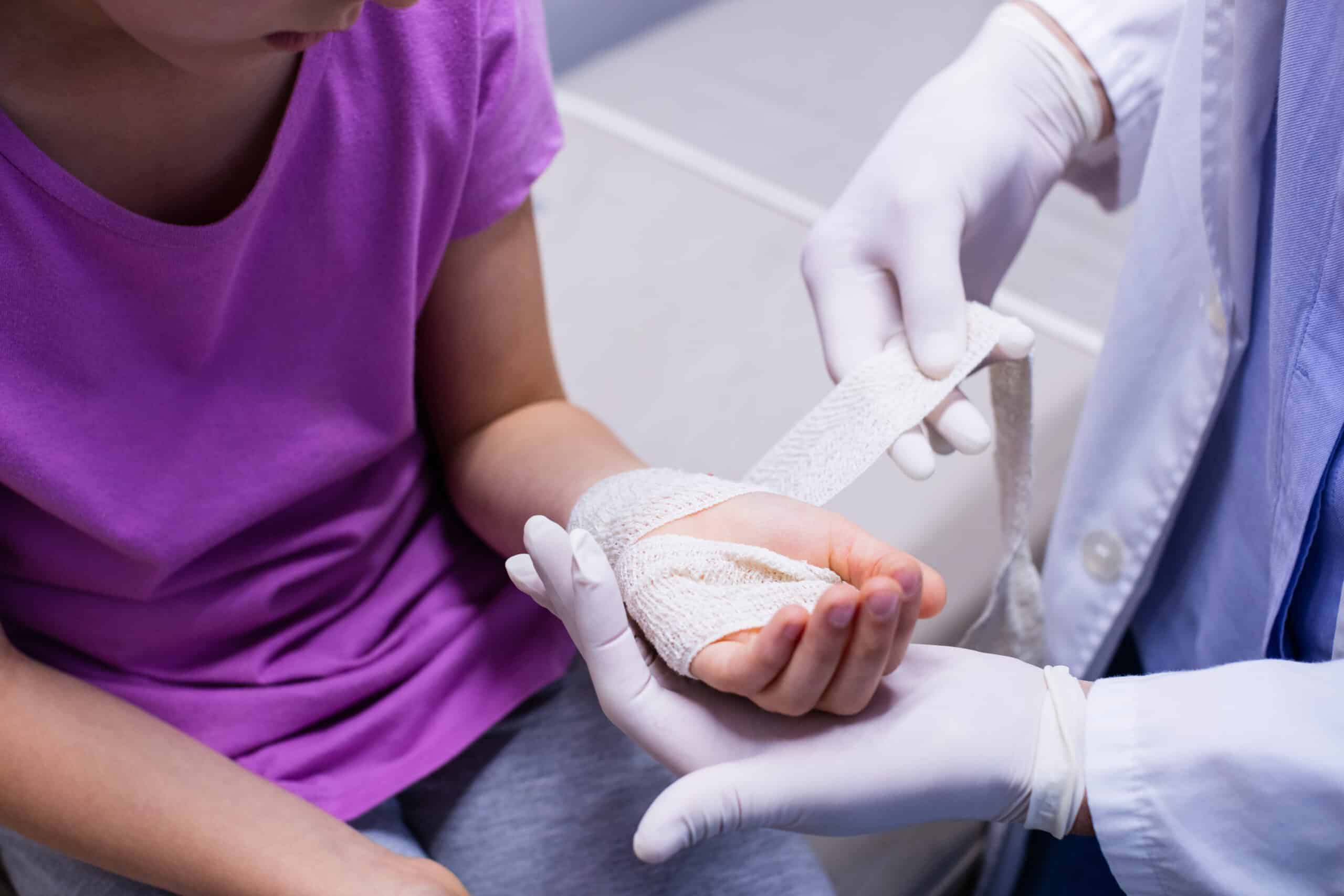
For bigger injuries, sterilized gauze pads are vital. They aid absorb blood and prevent infections.
- Tip: Always keep extra gauze pads convenient to alter dressings frequently.
3. Adhesive Tape
This tape protects gauze pads and other dressings in position, guaranteeing they don't diminish, specifically when relocating around.
4. Disinfectant Wipes
These are essential for cleaning up injuries before applying dressings. Disinfectant wipes assist minimize the risk of infections significantly.
- Tip: Make certain they're alcohol-free for sensitive skin.
5. Antibiotic Ointment
Applying antibiotic ointment aids protect against infections in small cuts and scratches by supplying a safety barrier versus germs.

- Common Brands: Neosporin or Polysporin.
6. Tweezers
Tweezers are necessary for getting rid of splinters, ticks, or other foreign items installed in the skin.
- Tip: Ensure your tweezers are clean and sterilized prior to use.
7. Scissors
Having a set of scissors can aid with cutting tape, gauze, or clothing far from an injured area without triggering additional harm.
8. Disposable Gloves
Using non reusable gloves protects both the caretaker and the hurt individual from infections during treatment.
- Tip: Keep several pairs in your package; they're easy to load and store.
9. Instant Cold Packs
These packs offer immediate relief for swelling or sprains by reducing blood flow to an area.
- How to Make use of: Merely press the pack until it turns on and apply it straight to the injury site.
10. Pain Relievers
Including non-prescription pain relievers like advil or acetaminophen can be tremendously practical for taking care of pain or pain adhering to an injury.
Additional Items You Should Think about Including:
Beyond the fundamentals stated over, consider adding items tailored to details needs such as:
- Burn cream Eye wash Emergency blanket (space blanket) First-aid manual CPR face shield Alcohol swabs
Why Ought to You Have a First-Aid Kit?
A first-aid set isn't just regarding ease; it's about safety and security and readiness. But why precisely should every home and work environment have actually one?
Immediate Response: Having a first-aid package allows you to act quickly throughout emergencies. Injury Management: It aids handle injuries until specialist medical assistance arrives. Peace of Mind: Knowing you're prepared can ease stress and anxiety during unforeseen situations. Community Safety: In shared rooms, having a first-aid kit can profit others besides yourself. Compliance: Several workplaces need that employees have access to standard first aid equipment as component of health and wellness regulations.Enrolling in a First Aid Training Course: Why It Matters?
While having a well-stocked first-aid set is essential, understanding just how to use it effectively boosts your readiness even further with official training:
Understand important abilities such as CPR (Cardiopulmonary Resuscitation) making use of methods like DRSABCD (Danger, Feedback, Send for aid, Air passage, Breathing, CPR). Gain self-confidence while dealing with various medical emergencies. Obtain qualifications that might be needed in particular careers or volunteer roles. Enhance psychological health and wellness assistance abilities via specialized programs like Mental Health First Aid.FAQ Section
1: Exactly how commonly ought to I check my first-aid kit?
You should check your first aid set a minimum of once every six months to make certain all products are present and not expired.
2: Where can I locate a good first-aid program near me?
Search online using terms like "first aid course near me" or examine neighborhood recreation center for upcoming classes.
3: How long does a first aid certification last?
Typically, most qualifications last in between 2 to 3 years prior to requiring renewal through refresher course courses.
4: Can I take an online first aid course?
Yes! Numerous recognized companies supply extensive on the internet training programs that cover vital subjects associated with first aid and CPR certification.
5: What is DRSABCD?
DRSABCD is a phrase used in emergency reaction training; it represents Threat, Reaction, Send out for help, Airway management, Breathing analysis, CPR application if necessary, and Defibrillation if available.
6: Is mental health first aid important?
Absolutely! Mental health and wellness situations require prompt focus similar to physical injuries do; for this reason recognizing exactly how to support someone experiencing mental distress is crucial.
Conclusion
Understanding what remains in a basic first-aid kit not just outfits you with the needed devices yet likewise empowers you with self-confidence when faced with emergencies-- be it in your home or out in public areas! By investing time right into arranging your package with essential things while additionally participating in appropriate training programs such as CPR courses or psychological health and wellness education workshops-- you're taking positive steps in the direction of security that profit not simply on your cpr and first aid course own but those around you too!

So go on-- take stock of your present supplies today! Ensure they're current so you can delve into activity whenever life tosses an unforeseen curveball your way!